
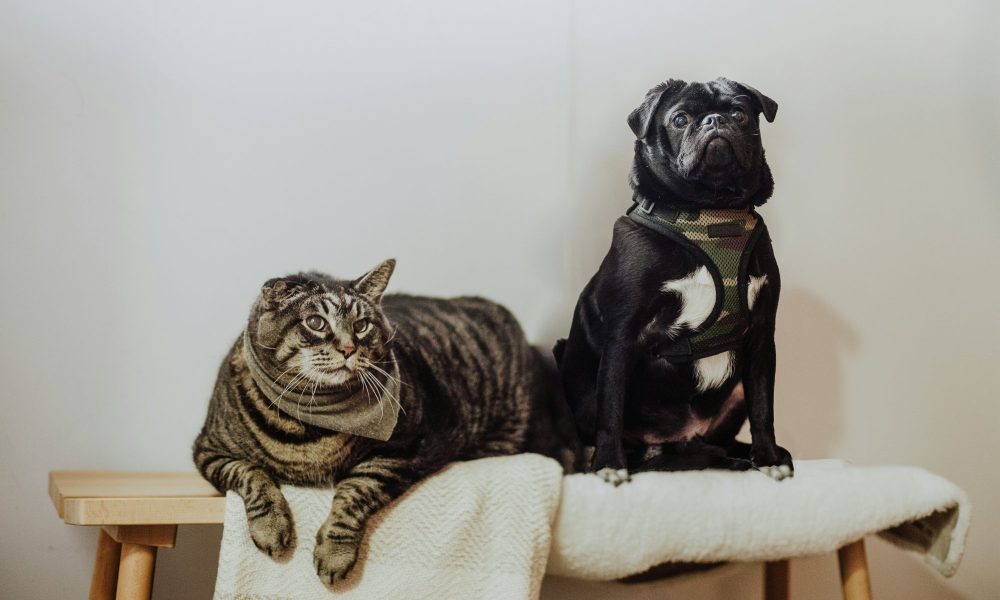
As the dog days of summer bring scorching temperatures across South Florida, American Humane Society is reminding pet owners to take extra precautions to protect their dogs and cats from dangerous heat-related illnesses.
“Our pets are family, and they depend on us to keep them safe when temperatures soar,” said Dr. Robin Ganzert, President and CEO of American Humane Society. “A few simple precautions, including: shade, fresh water, and adjusting your walk schedule, can make the difference between a fun summer day and a life-threatening emergency.”
“Unlike humans, dogs do not sweat to regulate their temperatures as efficiently as we do,” she added. “That makes dogs especially vulnerable to heat stroke and other dangerous symptoms, which can be fatal.”
American Humane Society is sharing veterinarian-approved tips to help keep pets safe, healthy, and comfortable throughout the summer.
Top Heat Safety Tips for Dogs:
- Adjust exercise time: Try to take your dogs on their walks in the mornings or evenings when it is cooler outside. Limit their time outside during high temperatures and ensure they have continuous access to cool, clean water.
- Check the pavement: Check the pavement with the back of your hand. If it is too hot, get your pet shoes to protect their paws or carry them to a patch of grass.
- Know if your dog is high-risk: Some breeds, such as pugs, bulldogs, and other breeds with short noses, as well as elderly and overweight dogs, are at high risk for overheating. Talk to your veterinarian to see if your pet is at higher risk.
- Check for signs of dehydration: Monitor if your dog is panting excessively and breathing heavily as those are the key indicators of dehydration. Also, if you gently pinch your dog’s skin near its shoulder and the skin snaps back quickly, your dog is hydrated. If the skin stays pinched or returns slowly, your dog may be dehydrated and should be offered water immediately and taken to a veterinarian if they do not improve.
- Be aware of signs of heat stroke: Signs of heat stroke in dogs include excessive panting, lethargy, stumbling, dark or bright red tongue or gums, bloody diarrhea or vomiting, and seizures. If your pet shows these signs, take them to the vet immediately.
- Do not leave your dog in a car: Leaving a pet in a car for even a brief period can have a deadly outcome. If you see a distressed dog inside a parked car on a warm day, immediately call your local animal control or law enforcement for help and stay with the animal until help arrives.
- Keep your dog cool on hot days to avoid overheating: Apply cool water to your pet’s skin with a bath hose or sponge. Allow your pet to drink cool water in small doses; if your pet drinks a lot of water in a short amount of time, it could get sick.
Top Heat Safety Tips for Cats:
- Limit direct, outdoor, sun exposure during peak heat hours: If your cat will be outdoors during hot days, provide them with shaded rest areas. Ensuring your cat has covered places to relax outside, like bushes, trees, shelters, or porch umbrellas, will allow them to better regulate their body temperature.
- Watch cats who love sunbathing with a close eye: They can manage the heat load of relaxing in the sunshine if there is an opportunity for a shaded or cooler area. Consider UV-filtering window films to reduce direct sun exposure.
- Keep your cat hydrated: Ensure your cat has access to ample fresh water. Cats should always have access to clean water, both inside and outside. Some cats prefer fountain style water bowls, which can increase their water intake.
- Switch your cat to wet food during the warm weather months: Many cats do not drink enough water on a normal basis. Providing wet food as opposed to dry food helps increase their hydration status simply through their normal diet.
- Watch cats for signs of overheating: This can include panting (rapid breathing), drooling, lethargy, vomiting, and bright red tongue or gums. If these signs are observed the cat must be moved to a cooler place and given cool water in small amounts. If there is no improvement, the cat should be quickly taken to a veterinarian.
For more information on American Humane Society, visit americanhumane.org.