
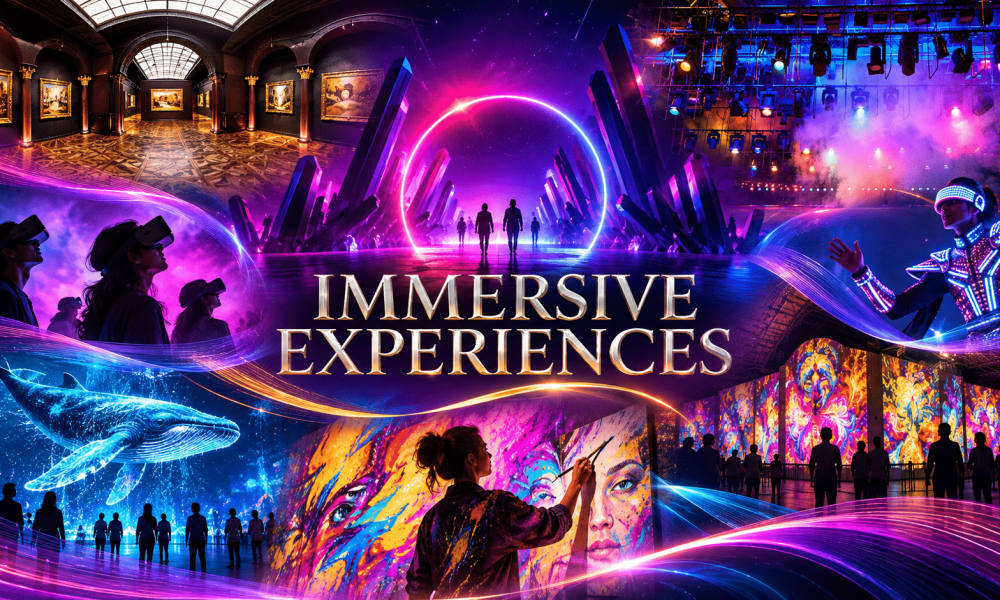
“Immersive” has become one of the most frequently used words in the event industry. But what does it actually mean?
To me, immersive entertainment isn’t about surrounding guests with more screens, louder music or bigger production. It means removing the invisible wall between the entertainment and the audience.
Traditional entertainment has a very clear relationship: performers are here; audience members are there. Immersive entertainment changes that relationship.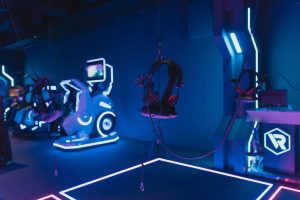
The performance might begin at the entrance. A character may approach a guest during cocktails. A dancer could suddenly appear from the crowd. A live artist may create something while guests watch the work evolve. There doesn’t even have to be a conventional stage. The entire venue can become the stage.
This approach works because people are no longer passive spectators. They become participants. And participation creates memory.
Think about the stories people tell after an event. They rarely say, “There was a performer approximately 30 feet away from me.” They say: “You won’t believe what happened.”
That sentence is incredibly important. It means the event created a story worth retelling.
However, immersive entertainment needs to be thoughtfully designed. Not everyone wants to be pulled onto a dance floor or placed in the spotlight. Good immersive entertainment gives guests permission to participate without making them uncomfortable.
Some people will jump directly into an experience. Others will watch. Eventually, many of those observers begin participating because they see other guests enjoying themselves.
That is human behavior—and good experience design understands it.
At SOR, I believe immersion should always serve a larger purpose. It might communicate a corporate message. Celebrate a milestone. Introduce a product. Tell the history of an organization. Or simply create joy.
The performers, environment, music, lighting and guest interaction should feel connected.
When they do, something interesting happens. The entertainment stops feeling like something that was booked for an event. It feels like something that belongs to the event.
That’s the real promise of immersive entertainment.
Not more spectacle. More connection.