Advanced Surgical Physicians Welcomes Dr. Michael Shockley, a Board-Certified General, Foregut, and Bariatric Surgeon

image1

Advanced Surgical Physicians (ASP) is proud to announce the addition of Dr. Michael Shockley, MD, to its team of expert surgeons.
A board-certified general surgeon with specialized training in minimally invasive, foregut, and bariatric surgery, Dr. Shockley joins ASP after completing a highly competitive fellowship in Advanced GI Minimally Invasive and Bariatric Surgery at Maimonides Medical Center in Brooklyn, NY.
His extensive training also includes a General Surgery residency at the University of Central Florida/HCA Consortium of Greater Orlando, where he served as an Administrative Chief Resident. His expertise encompasses a wide range of surgical procedures with a focus on cutting-edge laparoscopic, endoscopic, and robotic techniques.
“Dr. Shockley’s background and skills are an outstanding addition to our practice,” said Dr. Andrew Shapiro. “His expertise in minimally invasive and bariatric procedures will continue to add to the excellence in patient care that Advanced Surgical Physicians provides. We are thrilled to welcome a surgeon of his caliber to our team.”
A graduate of the University of Notre Dame and Northwestern University Feinberg School of Medicine, Dr. Shockley is an award-winning physician, recognized with the Fellowship Golden Scalpel Award and multiple Residency Legacy Achievement Awards. His commitment to surgical education is demonstrated through his various lectures and research publications, including work on venous thromboembolism risk and bariatric surgery. Dr. Shockley is also a member of several prestigious organizations, including the American Society for Metabolic and Bariatric Surgery (ASMBS) and the American College of Surgeons (ACS).
Dr. Shockley’s comprehensive approach to patient care and dedication to utilizing the latest surgical technologies will be a valuable asset to the Wellington community and Palm Beach County at large.
###

About Advanced Surgical Physicians:

Advanced Surgical Physicians provides expert breast, hernia, gallbladder, and general surgical care. Experience what makes the practice different: an in-house phone line and friendly voice to take your call, self-scheduling available for your convenience, insurance transparency, minimally-invasive options designed with your healing in mind, and physician leaders that hold honorable appointments in their specialty. Advanced Surgical Physicians offers large institute options delivered with a small-town feel. Learn more at www.toplinemd.com/advanced-surgical-physicians or call us at (561) 333-1335.

Palm Beach Orthopaedic Institute Welcomes Patients at New Orthopaedic Urgent Care in Palm Beach Gardens

Screen Shot 2025 08 11 at 10.02.18 AM

Palm Beach Gardens, FL (August 11, 2025) – Palm Beach Orthopaedic Institute welcomed patients at its second and newest location in Palm Beach Gardens on July 14, 2025. In this facility, patients have access to X-rays, MRIs, and physical therapy. The Orthopaedic Urgent Care is available on-site for both adults and children. This new site expands on the Institute’s flagship Urgent Care location on Southern Blvd., offering the same trusted orthopedic services with added convenience for northern Palm Beach County residents.

In addition to their 18 partners at Palm Beach Orthopaedic Institute, the urgent care features top orthopedic talent, including Dr. John Hinson and Dr. Jonathan Shaw. Dr. Hinson brings over a decade of experience in treating complex shoulder and elbow conditions, offering advanced procedures such as arthroscopic surgery and shoulder replacements. Dr. Shaw, a fellowship-trained joint replacement surgeon, is known for his minimally invasive hip and knee replacements and expertise in robotic and revision surgeries.

This location treats a wide range of musculoskeletal issues, including arthritis, tendon injuries, joint instability, and both acute and chronic joint pain. Specific conditions addressed at the Palm Beach Gardens facility include ankle and wrist sprains, bone fractures, finger and hand injuries, hip and knee trauma, ligament sprains, muscle and tendon strains, shoulder dislocations, sports injuries, and muscle tears.

Palm Beach Orthopaedic Institute’s Orthopaedic Urgent Care offers timely solutions for injuries that require immediate attention but may not warrant a trip to the emergency room. The facility accepts walk-ins from 4:00-8:00 p.m. Monday through Friday, and 8:00 AM – 2:00 PM on Saturdays. Palm Beach Orthopaedic Institute’s Orthopaedic Urgent Care is located at 4215 Burns Road, Suite 100, Palm Beach Gardens, FL.

The current operating hours of Palm Beach Orthopaedic Institute’s Palm Beach Gardens Urgent Care are Monday to Friday from 4 p.m. to 8 p.m. and Saturday from 8 a.m. to 2 p.m. To learn more about Dr. John Hinson, Dr. Jonathan Shaw, and Palm Beach Orthopaedic Institute, please visit www.pboi.com. To schedule an appointment, please text (561) 788-7031 or call (561) 694-7776.

Strong Starts, Safe Seasons: Injury Prevention Tips from Local Orthopaedic Experts Dr. Hinson & Dr. Shaw with Palm Beach Orthopaedic Institute

Back2SchoolSports 1

With school sports ramping up across Palm Beach County, student-athletes are returning to the field, court, and basketball–often with more enthusiasm than preparation. This surge of activity, while exciting, also brings a sharp rise in preventable injuries at the start of each season. Orthopedic surgeons, Dr. John Hinson and Dr. Jonathan Shaw, with the Palm Beach Orthopaedic Institute, are emphasizing the importance of smart conditioning, stretching, and practical injury prevention tips to keep young athletes in top form.

Being aware of the most common injuries in student-athletes–and how to prevent overuse–is key to a strong and injury-free season. Dr. Hinson and Dr. Shaw emphasize that many sports injuries can be prevented with proper preparation, which includes suitable conditioning and recognizing potential early warning signs. By focusing on targeted muscle groups and sport-specific movements, athletes can reduce their risk of injury and improve overall performance.

Shoulder Overuse Injuries: Common injuries in Baseball, Tennis, and Volleyball

Repetitive overhead movements—common in baseball, tennis, volleyball, and many other sports and fitness activities—can place significant stress on the shoulder joint, particularly if the young athlete neglects proper warm-up routines. Failing to stretch before or after activity increases the risk of overuse injuries, including rotator cuff strains and labral injures. Ignoring early signs of discomfort and continuing to train or play through may worsen the condition and prolong recovery. It is crucial to seek medical evaluation at the first sign of persistent pain, rather than risking a more serious injury.

Dr. Hinson’s Prevention Tip: Make sure to stretch before and after activity and incorporate safe shoulder-strengthening exercises with proper warm-up routines. It’s important to limit overuse by rotating positions or reducing high-intensity reps during practice.

Knee Ligament Injuries (ACL Tears): Common injury in Football, Soccer, and Basketball

Quick stops, sharp pivots, and hard landings—like those in sports such as football, soccer, and basketball—can put a lot of pressure on the knees. Without proper strength, balance, and technique, these movements can increase the risk of injuries such as ACL tears, meniscus injuries, or inflammation in the tendons.

Dr. Shaw’s Prevention Tip: Work on improving coordination and body control through balance exercises, while also strengthening the muscles that support the knee, particularly the hamstrings and quadriceps. Taking the time to build knee strength and learn safe movement patterns is key to preventing long-term damage.

Recognizing early warning signs, like pain, is just as important as prevention. Aches and pains can worsen if neglected. This is why Dr. Shaw urges parents, caregivers, and coaches to watch for the following red flags to take action early:

– Persistent pain and/or swelling after practice or games
– Limited range of motion or stiffness in joints
– Limping or favoring one side during movement
– Instability of the knee, like not being able to pivot or shift
– A sudden decrease in performance or reluctance to participate

If any of these signs appear, or if pain occurs and doesn’t go away, it’s essential to seek medical attention promptly. As the school sports season gets underway, a proactive approach to injury prevention and early intervention can make all the difference. With expert guidance from orthopedic specialists like Dr. Hinson and Dr. Shaw, student-athletes can stay healthy, perform at their best, and keep the focus where it belongs: on the game.

To learn more about Dr. Hinson and Dr. Shaw and Palm Beach Orthopaedic Institute, visit www.pboi.com.

Pace Center for Girls Palm Beach Appoints Javid Khan to Board Chair

Palm Springs, FL (July 24, 2025) – Pace Center for Girls Palm Beach, a second-chance school dedicated to providing girls and young women with opportunities for a better future through education, counseling, and advocacy, announces Javid Khan, a leader at NextEra Energy, as its Board Chair. Khan, who joined NextEra Energy in 2021, currently leads the Renewable Operational Center of Work Excellence and Analytics team at NextEra Energy Resources.

Headshot JAvid K 2
Board Chair Javid Khan

With over 25 years of leadership experience in the power and utility sector, Javid has held key roles at organizations such as National Grid, Pacific Gas and Electric Company, and Consumers Energy, as well as strategic consulting positions at PwC and Accenture. Throughout his career, Javid has led complex organizational initiatives, built cross-sector partnerships, and driven long-term impact—skills that will greatly support Pace Palm Beach’s ongoing efforts to empower girls and young women in Palm Beach County. His commitment to community-focused leadership and strategic growth aligns strongly with Pace’s mission of providing girls with a second chance through the extensive programs and resources it offers.

“I am honored to be the new Board Chair at Pace Center for Girls Palm Beach,” said Javid Khan, Director of Work Excellence and Analytics at Nextera Energy Resources. “I look forward to supporting the organization’s continued impact in Palm Beach County and contributing to a future where every girl has the opportunity to realize her full potential.”

Joining Khan in leadership and governance are five newly appointed board members: Annamaria Burns, Verizon; Blanca Lopez Mackrey, State Farm; Brandon Canute, Cleveland Clinic Florida; Michele LePage, Everbank; and Shantel Accilean, Bank of America. Each individual brings a unique set of skills and commitment to service that will further strengthen the Board’s capacity to guide Pace Palm Beach’s strategic direction to expand its community impact.

Originally from London, England, Javid Khan brings a strong foundation in both engineering and business to his leadership. He holds a degree in mechanical engineering from the University of Liverpool, an MBA from Warwick Business School, and is an alumnus of Harvard Business School. With a career marked by analytical rigor and a passion for excellence, Javid offers a global perspective and strategic mindset to Pace’s mission. His diverse educational and professional background, coupled with a deep commitment to uplifting youth, uniquely positions him to help guide the organization’s positive efforts to support girls in Palm Beach County.

“We are incredibly grateful to welcome Javid Khan as the new Board Chair at Pace Palm Beach,” said Mindy Hanken, Executive Director of Pace Center for Girls Palm Beach. “Javid brings not only a wealth of professional experience, but also a genuine commitment to our mission of empowering girls to reach their full potential. His leadership and vision will be invaluable as we continue to help more girls and young women in Palm Beach County.”

Pace Palm Beach has made a lasting impact on the local community by supporting girls to reach their goals and explore new opportunities that will help them learn and grow. Through its comprehensive services, Pace helps reduce juvenile justice involvement, increases high school graduation rates, and fosters long-term success for girls and their families. By creating a ripple effect of positive change, Pace strengthens the community by cultivating confident, educated, and engaged young women who are ready to contribute meaningfully to society.

To learn more about Pace Center for Girls Palm Beach and how to get involved, please visit www.pacecenter.org.

###


About Pace Center for Girls

Pace provides free year-round middle and high school academics, case management, counseling, and life skills development in a safe and supportive environment that recognizes and deals with past trauma and builds upon girls’ individual strengths. Dedicated to meeting the social, emotional, and education needs of girls, Pace has a successful and proven program model that has changed the life trajectory of more than 40,000 girls and is recognized as one of the nation’s leading advocates for girls in need. For more information on Pace Center for Girls, visit www.pacecenter.org.

Lisbet Assisted Living and Memory Care at Wellington Bay Announces Upcoming Caregiver Series Events

unnamed 1

Lisbet Assisted Living and Memory Care at Wellington Bay is pleased to announce the next series of events in its ongoing caregiver support program.

This series offers invaluable insights and a supportive environment for individuals navigating the complexities of caregiving.

Caregivers are invited to join experts for informative discussions designed to address common challenges and provide practical strategies. Attendees will have the opportunity to ask questions and gain a deeper understanding of various topics that often weigh heavily on their minds.

Upcoming sessions include:

  • July 17 at 5:00 PM: Carissa Grone, RN BSN, will present on “Managing Guilt and Judgment: Within Ourselves and from Others.”
  • July 19 at 10:00 AM: Richard Thomas, Sales Director at Lisbet, will lead a discussion on “You Promised You’d Never…Honoring vs. Redefining Promises Made.”
  • July 29 at 5:00 PM: Tino Negri, Co-President of ComForCare, will share insights on “When They Don’t Recognize You: Coping with Emotional Distance.”

Light refreshments will be served at all sessions. Attendees are encouraged to RSVP by calling 561-423-9017 to confirm their attendance.

About Wellington Bay
Wellington Bay is a luxury rental retirement community offering independent living, assisted living, respite care, and advanced memory care at the Lisbet Health Center, located onsite in Wellington, Florida. The community is dedicated to supporting active aging and vibrant living, offering something for everyone.

Named one of the “Best Places to Retire” by Money Magazine, Wellington boasts a thriving equestrian community, premier golf courses, and scenic neighborhoods.

Wellington Bay is owned and operated by Liberty Senior Living, LLC, a division of Liberty Healthcare Management specializing in senior living communities. To learn more about Liberty Senior Living and its communities, visit www.LibertySeniorLiving.com.

Ketamine Therapy for Mental Health: Sanctuary Healthcare

man+ +ketamine assisted+psychotherapy+in+Los+Angeles,+CA+ +Ketamine+Therapist+ +Ketamine Assisted+Therapy+ +Psychedelic+Psychotherapy+ +Los+Angeles,+CA+ +California min

As the healthcare community continues to seek effective solutions for the growing mental health and addiction crisis, emerging therapies are drawing increased clinical attention. Ketamine infusion therapy, when combined with practitioner-guided therapies, is demonstrating significant and growing evidence in addressing a wide range of mental health conditions, including depression, anxiety, postpartum depression, post-traumatic stress disorder (PTSD), trauma, substance use disorders, eating disorders, and more. Sanctuary Healthcare in Boca Raton, co-founded by Dr. Evan Peskin, is helping lead the way in South Florida by offering this integrated approach.


Evan Peskin insight professional headshot 5
Dr. Evan Peskin

With traditional treatment options often proving insufficient for complex cases or treatment-resistant conditions, ketamine-assisted therapy is becoming a promising option in the broader continuum of care for mental health and recovery. This is particularly relevant in the treatment of post-traumatic stress disorder (PTSD), a serious and often debilitating condition that can arise after a person experiences a traumatic event.


Unfortunately, getting help for PTSD can be frustrating. Many individuals with PTSD struggle to engage in traditional therapies, such as talk therapy, due to avoidance behaviors or difficulty processing and expressing their thoughts and feelings that are the very hallmarks of the underlying condition. This barrier can slow or stall treatment progress and often leads to feelings of hopelessness and frustration. One of the key ways in which ketamine may support those with PTSD is by allowing them to engage more fully in therapy. By reducing avoidance behaviors and increasing a person’s ability to process and express their experiences, ketamine can support more meaningful participation in therapy sessions, leading to better clinical outcomes.


Ketamine is a powerful anesthetic that has been found to have rapid and sustained antidepressant effects. Several studies have demonstrated that even a single intravenous infusion of ketamine can result in significant improvements in PTSD symptoms within hours, with effects that can last for an extended period in many cases. These scientific findings have made ketamine an important option to consider for individuals who have not responded to other forms of treatment.

The theory that seems to resonate with Ketamine’s mechanism of action is the Snowy Hill theory. It suggests that when you sled down a snowy hill, the sled leaves a divot or a path in the snow. When one goes back to the top of the hill to sled again, the divot becomes deeper, so the sled is likely to follow that same path. By the time you have gone down the hill a hundred times, that path is so reinforced, ingrained, and worn into the hill that it becomes nearly impossible to deviate right, left, or anywhere but the path. Similarly, repeated thoughts cause literal reinforcement and physiologic strengthening of neural patterns and connected pathways in the brain. Research suggests Ketamine essentially allows for a fresh snowfall, or an ability to take a path that was near impossible to go down previously.


Dr. Peskin recommends that, as with any emerging therapy, it is important to approach ketamine treatment with caution and care. There are substantial variations in the quality of services offered, with some providers reducing costs in ways that may compromise treatment quality or safety. To ensure both optimal outcomes and patient safety, ketamine therapy should always be conducted under the supervision of qualified medical professionals. Clinical oversight is critical to managing dosing, monitoring patient response, and integrating therapy effectively.


While PTSD remains a challenging condition to treat, particularly for those who struggle to engage in conventional approaches, ketamine offers a promising adjuvant. Individuals considering this treatment should consult with a licensed healthcare provider experienced in ketamine therapy to determine whether or not it is an appropriate option for them.


To learn more about Dr. Evan Peskin and Sanctuary Healthcare, visit www.sanctuaryhealthcare.org.

Support Local Back-to-School Drives

CPSFL cheers Horizontal

Back to School is an emotionally tumultuous time for both parents and children with feelings running the gamut from apprehension about starting a new year, annoyance about relinquishing the freedom of the summer months to downright jubilance about regaining structure after the same long summer months.

For some families, back to school can also be a time of economic anxiety.

The household median income in Palm Beach County is over $80,000 and over 50,000 children in our county are from food insecure households with 65% of all Palm Beach County School District students enrolled in the government-subsidized free and reduced lunch program.

According to the United States Senate Federal Credit Union, the average cost of school supplies (including clothing and shoes) is $586 per child.

This time of year can be hard for families and the financial burden of ensuring their child has everything they need to succeed for the upcoming academic year can be a major challenge but you can help ease some of that burden for your neighbors by supporting one of the numerous Back to School Drives happening across the county.

Community Partners of South Florida is hosting a Back to School Drive at Mole Cantina Mexicana (2557 S State Rd 7 #150, Wellington, FL 33414) on July 31, 2025, from 5:30-7:30 PM. Guests can groove to the musical stylings of pop violinist Gareth Johnson while enjoying an extended happy hour.

Donations can be made here and will directly support the purchase of school uniforms for students in need across South Florida.

The Boys and Girls Club of Palm Beach County is partnering with Office Depot OfficeMax for a summer-long initiative aiming to help more than 9,000 local Club members.

Supplies needed include:

  • 17 inch durable backpack

  • 1 pack of 5 crayons

  • 1 pencil sharpener with dome cover

  • 2 pink erasers

  • 1 two pocket folder

  • 1 glue stick

  • 1 highlighter

  • 70 page spiral notebook

  • 1 pack of three #2 pencils

  • 1 pack of three pens (blue and black)

  • 12 inch ruler

  • 1 pencil case

The drive is running through Friday, August 1 and donors can drop off supplies at numerous locations across Palm Beach County including:

  • Marriott West Palm Beach

    • 1001 Okeechobee Blvd, West Palm Beach, FL 33401

  • Palm Beach County Library

    • 3650 Summit Blvd, West Palm Beach, FL 33406

  • Shark Wake Park at Okeeheelee Park

    • 1440 Eshleman Trail, West Palm Beach, FL 33413

  • Starbucks

    • 10925 N Military Trl, West Palm Beach, FL 33410.

The Town of Palm Beach United Way is also hosting a school supplies drive until Aug 4, 2025 and collecting school supplies for all grade levels at the following locations:

  • United Way Office

    • 44 Cocoanut Row, Suite M201 (valet available)

  • Field of Greens Palm Beach

    • 253A Royal Poinciana Way

  • Field of Greens Dixie

    • 4802 South Dixie Highway

  • Central Fire Station

    • 355 South County Road

  • South Fire Station

    • 2185 South Ocean Boulevard

  • North Fire Station

    • 300 North County Road

With more than half of Palm Beach County students on the free and reduced lunch program, food insecurity is a serious concern for Palm Beach County families. School lunch might be the primary meal many children receive during the week and during the weekends, they might not get enough to eat at all.

The Palm Beach County Food Bank is hosting their fourth annual “One Can, Two Can, Who Can? You Can!” Back-to-School Food Drive to combat this issue.

Between Thursday, August 1, 2024 – Saturday, August 31, 2024, Palm Beach County residents can drop off shelf-stable items (no glass) such as beans, fish, beef, chicken, milk, peanut butter, vegetables and fruit at the Palm Beach County Food Bank at 701 Boutwell Road, #A2, Lake Worth Beach, FL 33461 as well as numerous Palm Beach County Public Library locations throughout the county:

  • Main Library

    • 3650 Summit Boulevard, West Palm Beach, FL 33406.

  • Okeechobee Boulevard Branch

    • 5689 Okeechobee Boulevard, West Palm Beach, FL 33417.

  • Acreage Branch

    • 15801 Orange Blvd, Loxahatchee, FL 33470.

  • Wellington Branch

    • 1951 Royal Fern Drive, Wellington, FL 33414.

  • Royal Palm Beach Branch

    • 500 Civic Center Way, Royal Palm Beach, FL 33411.

  • Lantana Road Branch

    • 4020 Lantana Road, Lake Worth, FL 33462.

  • Greenacres Branch

    • 3750 Jog Road, Greenacres, FL 33467

Giving makes a discernible difference. Whether it’s time, shelf-stable food, school supplies or school uniforms – when you give, you make an impact on the lives of the most vulnerable residents of Palm Beach County – our children.

15-Minute Yoga Practice Energize Your Body and Mind while Calming and Soothing Your Nervous System

9. Tree Pose

In a world that rarely slows down, taking time to pause and reconnect with your body can feel like a luxury—but it doesn’t have to be. A simple yoga practice, even just 15 minutes, can shift your energy, calm your mind, and restore your sense of balance. All you need is a little space, a few intentional breaths, and a willingness to turn inward.

This yoga sequence is designed for you to do exactly that. Whether you’re starting your day, resetting at lunchtime, or unwinding at night, these postures will help you feel open, awake, and grounded in the present moment.

This is a simple practice you can do anytime, anywhere—but if you’re able to take it outside, even better. Practicing outdoors offers the added benefits of fresh air, natural light for vitamin D, and grounding through your connection to the earth. The sights, sounds, and rhythm of nature can also calm the nervous system and enhance your overall sense of well-being.

Is Yoga Energizing?

Absolutely—but not in the way you might expect. Unlike high-intensity workouts that leave you depleted, yoga builds energy through breath, circulation, and mindful movement. It increases blood flow, opens the joints, and enhances mobility, allowing fresh oxygen to nourish your cells and wake up your body. At the same time, it soothes the nervous system and brings clarity to the mind. The result is a balanced, sustained energy—one that leaves you feeling both refreshed and centered, rather than overstimulated.

15-Minute Yoga Flow
To energize your body and mind while calming and soothing your nervous system at the same time!

1. Easy Seated Pose

1. Easy Seated Pose (Sukhasana)
1–2 minutes

• Sit comfortably with legs crossed, hands resting on knees or heart.
• Close your eyes and take 3–5 deep, grounding breaths.
• Begin gentle neck rolls, circling in both directions.
• Shift into seated trunk rolls, circling the spine in big slow movements, massaging your hips and lower back.


2.Table Pose

2. Table Pose (Bharmanasana)
2 minutes

• Come to all fours with shoulders over wrists, hips over knees.
• Inhale to arch your back (Cow Pose), exhale to round (Cat Pose).
• Add side bends, moving hips and head gently side to side, making a C-curve with your spine and moving with your breath.
• Flow into spinal waves: inhaling as you round forward into a coiled spine, then exhaling as you soften and arch moving back to Child’s Pose.


3. Child Pose

3. Child’s Pose (Balasana)
1 minute

• Bring big toes to touch, knees wide, arms reaching forward.
• Rest your forehead down.
• Take 5 deep, slow breaths, letting your body melt into the ground.


4. Downward Dog

4. Downward-Facing Dog (Adho Mukha Svanasana)
2 minutes

• Tuck toes, lift hips into Downward Dog, forming an inverted V shape.
• Pedal your heels one at a time, warming the calves.
• Begin spinal waves: inhale to round forward into Plank, exhale to ripple back into Down Dog

• Repeat for 8–10 rounds with breath.


5. Cobra Pose

5. Cobra Pose (Bhujangasana)
1 minute

• Lower onto your belly, place hands under shoulders.
• Press into hands, gently lift chest into Cobra.
• Keep elbows soft and shoulders relaxed.
• Slowly turn head right and left, releasing neck tension.


6. Downward Dog

6. Downward-Facing Dog (Adho Mukha Svanasana)
30 seconds

• Return to Down Dog to reset.
• Feel the length through your spine and breath through your whole body.


7. Low Lunge Twist

7. Low Lunge with Twist (Anjaneyasana with Parivrtta Anjaneyasana)
2 minutes (1 min per side)

• Step right foot forward into Low Lunge, left knee down.
• Sink hips gently forward, lifting chest, reaching up and arching slightly backwards.
• Add a twist: place left hand on the ground, reach right arm up.
• Hold and breathe, then switch sides.


8. Mountain Pose

8. Standing Forward Fold to Mountain Pose with Hands at Your Heart (Uttanasana to Tadasana)
1 minute

• Step forward into a Forward Fold, keeping your knees soft, letting the weight of your head gently on your spine.
• Slowly roll up to stand, one vertebrae at a time.
• Inhale to reverse swan dive as you sweep your arms overhead, and exhale to release into Mountain Pose. *Close your eyes in mountain pose, breathe, focus inward, and ask yourself what you need in your life, and then commit to honoring that and following through.
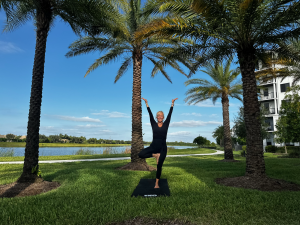
 

9. Tree Pose

9. Tree Pose (Vrksasana)
1 minute (30 sec per side)

• Shift weight into your left foot.
• Place right foot on your left ankle, inner calf or thigh
• Bring palms together at your heart, then reach your arms up to extend the branches of your tree pose.
• Find your breath, your balance, and your calm.
• Switch sides.


10. Seated Forward Fold

10. Seated Forward Fold (Paschimottanasana)
1 minute

• Sit with legs extended.
• Inhale to reach arms up, exhale to fold over your legs.
• Let your head and neck relax.
• Breathe into the backs of your legs and soften with each exhale.


11. Seated Twist

11. Seated Twist (Ardha Matsyendrasana)
1 minute (30 sec per side)

• Sit tall with legs extended, then bend your right knee and place your foot outside your left thigh.
• Place your right hand behind you for support and left arm across the right knee.
• Inhale to lengthen your spine, exhale to gently twist to the right.
• Keep shoulders relaxed and breath steady.
• Switch sides after 30 seconds.


12. Return To Easy Pose

12.Return to Easy Pose (Sukhasana)

Final minute

• Sit in a comfortable position, lift your rib cage up from your waist, roll your shoulders back and down and rest your hands at your heart.
• Close your eyes, take a few deep breaths.
• Release tension, feel your practice settle in.
• Set an intention for how you want to move through the rest of your day, and life— with clarity, peace, grace and ease.

This short sequence is a powerful reminder that energy doesn’t always come from doing more—it can come from tuning in, moving gently, and creating space to breathe. Whether practiced daily or a few times a week, it can help shift your state of being from scattered to centered, from sluggish to feeling fully alive.


About the Author

C97E3CF4 7226 48B4 8BFB D7ECFB8D93BD

Melissa Jill Clark, Founder of Alive with Melissa, is a certified seasoned yoga instructor, holistic wellness expert, and Wellness Director at Wellington Bay, a senior living community in Florida. With over 25 years of experience in the fitness and wellness industry, Melissa brings a heart-centered approach to everything she teaches. She believes that age is defined not by numbers, but by attitude, lifestyle, and health. Her passion lies in helping people of all backgrounds feel strong, supported, and connected through mindful movement.

Photos taken at Wellington Bay Senior Living Community in Wellington, FL

Dr. Hinson’s 8 Tips for March’s Athletic Training Month | Orthopedic Advice for Athletes Training for Sports

istockphoto 1366052585 612x612 1

Featuring Dr. John Hinson, MD

In honor of March’s Athletic Training Month, it’s important to focus on the health and longevity of two of the most important joints for athletes: the shoulders and elbows. Regardless of which sport you play, whether it involves lifting, throwing, or engaging in endurance, keeping these joints strong and free of injury is crucial. Below, we’ve outlined 8 tips to help maintain healthy shoulders and elbows during athletic training routines, along with expert advice from the well-known local orthopedic surgeon, Dr. John Hinson.


Warm-Up Properly to Prevent Strain

Warming up your shoulder and elbow muscles is important before engaging in physical activity. Warming up can reduce the risk of injury by increasing the blood flow to the joints. Dr. Hinson suggests that the best warm-up exercises include: arm circles, shoulder rolls, and resistance band exercises. “Stretching before engaging in sports is crucial, as it helps to increase blood flow to the muscles,” said Dr. John Hinson. “When done properly, warming up significantly reduces the risk of injuries, such as strains or sprains, by ensuring your muscles and joints are ready to perform at their best,” added Dr. John Hinson.

Incorporate Strengthening Exercises into Athletic Training

The shoulder and elbow joints are supported by the strong muscles surrounding them. These muscles reduce the potential occurrence of sprain and injury, which is why it’s important to ensure they are not weak. Including exercises such as shoulder presses, lateral raises, and rotator cuff in strengthening routines can help avoid possible injuries to the shoulder joints. For elbows, bicep curls and triceps extensions strengthen the muscles surrounding the joint. This will allow the elbow to feel stabilized during physical activity. “Proprioceptive training is crucial for field athletes as it enhances their balance, coordination, and spatial awareness—all essential for managing rapid movements and preventing injuries on the field. By improving the body’s ability to sense and adapt to changes in position, athletes can react more effectively and maintain stability during high-intensity matches,” said Dr. John Hinson.

Focus on Rotator Cuff Health

For shoulder stability and overall function, the health of your rotator cuff is vital especially when engaging in activities such as swimming, baseball, and weightlifting. Rotator cuff strengthening exercises can be done by incorporating light resistance exercises into your training routine. For example, external rotations or scapular squeezes can help improve the stability and mobility of the shoulder joint.

Pay Attention to Your Form During Activity

To prevent shoulder and elbow injuries, you must engage in the proper technique when playing or training for a sport. Dr. Hinson stresses the importance of staying mindful of your form to avoid unnecessary stress on the athlete’s joints. Common mistakes include overextending the joints, which can cause conditions such as tendinitis or bursitis. “Overlooking minor aches can lead to serious injuries that may hinder your performance in the long term. This is why it’s important to listen to your body and recognize possible signs of discomfort and strain,” said Dr. John Hinson.

Rest and Recovery to Avoid Overuse

Another common cause of injury in the shoulder and elbow is overtraining. Sports that involve repetitive motions are at higher risk for the development of overuse injuries. This includes tennis, baseball, pickleball, weightlifting, and football. Dr. Hinson advises athletes to incorporate rest days into their routine, especially when recovering from an injury. This can be done by alternating training sessions to avoid overuse. “I encourage all athletes to prioritize their rest, recovery, and proper conditioning to keep their body in top shape for the demands of the sport,” added Dr. Hinson.

Include Flexibility and Mobility Exercises

To help maintain a full range of motion and prevent stiffness in the athlete, Dr. Hinson encourages the implementation of basic stretching and mobility exercises to avoid injury in the shoulders and elbows. Stiff muscles may lead to athletic injury if they are not being stretched properly. Some exercises include doorway chest stretches for increased shoulder mobility and wrist flexor stretches for elbows. Incorporating both mobility and flexibility stretches in an athletic training routine will lessen the likelihood of being injured.

Be Mindful of Pain in the Shoulder and Elbow

If an athlete experiences any discomfort in their shoulders or elbows, Dr. Hinson suggests not to push through the exercise training. In general, pain is a signal that something is not right in the body. To avoid more serious injuries, early intervention measures will help. Dr. Hinson advises the athlete to consult with an orthopedic specialist, like himself, if persistent pain or swelling is present. An expert will be able to give the athlete advice on the proper treatment or rehabilitation options when it applies.

Invest in Proper Equipment for Athletic Training

Investing in the proper gear for athletic training can significantly reduce stress on the athlete’s joints. From wearing an elbow sleeve during swinging or throwing sports to using the correct equipment during weight training, proper equipment can help lower the chances of injury during athletic training. Additionally, a high-quality support brace and properly fitting sports equipment can protect against impact injuries and strains.

Overall, athletes can keep their shoulders and elbows healthy and performing at their best by following these expert tips from Dr. Hinson. Remember, maintaining joint health is an ongoing commitment. Beyond March’s Athletic Training Month, athletes should continue to focus on injury prevention, strengthening, and recovery when engaging in sports training and in the sport itself. Dr. Hinson encourages all athletes to be mindful of their bodies, and if engaging in sports or athletic training exercises causes pain, stop immediately and consult with a physician. To learn more about Dr. Hinson and the Palm Beach Orthopaedic Institute, visit https://www.pboi.com/john-hinson.

TikTok is Making Hips Hip – Here Are the Do’s and Don’ts from Dr. Jonathan Shaw, Local Hip and Knee Surgeon at Palm Beach Orthopaedic Institute

istockphoto 1370713121 612x612 1

Featuring Dr. Johnathan H. Shaw, MD
Some users on TikTok claim that hip stretches can help release built-up trauma and improve overall well-being. Well, different types of hip stretches have various benefits for the body – this is if you’re doing them right! Thankfully, Dr. Jonathan Shaw, a local orthopedic surgeon who specializes in hip and knee conditions at the Palm Beach Orthopaedic Institute, is sharing his expert insights on the TikTok trend – stretches involving hip flexors, how to properly perform these stretches, and what effect each has on the body. Dr. Shaw has listed out some of the popular stretches below with some “Do’s” and “Don’t’s”.


Dynamic Hip Stretches

These particular stretches involve repetitive movements that gradually increase the range of motion in your hips. Dynamic hip stretches are great for warming up before a workout and improving both mobility and flexibility.

Examples include:
Walking Lunges
Do: Pay attention to form, ensuring your back is straight with your knee centered over the foot. Also, maintain an upright posture by engaging your core muscles.

Don’t: Let your knees go past your toes when engaging in this stretch. Poor form will increase the likelihood of your hips dropping too low and can result in discomfort.

Hip Circles

Do: Stand with your feet in alignment with your shoulders, flex your core, and rotate your hips in a circular motion. Start with small circles and make them bigger gradually. If pain occurs when progressing, then it is highly encouraged to stop.

Don’t: Overstretch during rotational movements. Overstretching is likely to occur for those who have tight hips. This can lead to torn muscles and further damage.

Butterfly Stretch
Do: Sit on the floor with the heels of your feet touching each other and stabilize yourself with your legs and hip bones. Make sure your spine is straight and your chin is tucked in. Inhale to elongate your spine and exhale your body down, touching your head to your feet.

Don’t: Force your knees to touch the ground, bounce your knees excessively, put tension on the lower back by arching, or push against your existing range of motion.

Hip Flexor Stretches

Especially useful for those who spend long hours sitting, these stretches help relieve tightness and discomfort in the hip flexor muscles.

Examples include:
Kneeling Hip Flexor Stretch
Do: Kneel on the knee you feel comfortable stretching on and put the other leg straight in front of you. Keeping your back straight, slowly push your hips forward until you feel the tension in your hip flexors being released from the knee that is on the ground.

Don’t: Arch your lower back and allow the pelvis to become unstable. Arching your back will not properly carry out the stretch, leaving the hip flexors unaffected and instead creating pressure on the lower back.

Pigeon Pose – A Yoga Pose for Hip Flexibility

Do: Begin in a downward-facing dog position and shift your weight forward, bringing your right knee toward your right wrist. Slide your right foot towards the left and flex your right toes. Slide your left leg backward, extending it straight. Ensure your hips are parallel to each other and are facing to the front.

Don’t: Force your hips too far forward or allow your front knee to rotate out to the side. Pushing the hips too far forward can result in straining the hip joint and excessive pain.

Hip Stretches for Arthritis

Gentle stretches can help maintain range of motion and reduce pain for those with hip arthritis.

Types of Stretches:
Sidelying Hip Abduction
Do: Lie on the uninvolved side, with your lower knee bent for stability. Keep the knee straight on the involved leg, lifting the leg upward. Return to the start position and repeat.

Don’t: Lean forward or backward. Instead, maintain an upright posture.

Knee to Chest

Do: Lay down on your back and pull one knee to your chest, slowly. Hold the position for a few seconds and then switch legs.

Don’t: Pull your knee aggressively or quickly towards your chest. Doing so can result in pinching within the hip joint.

Dr. Shaw emphasizes that both static and dynamic stretching can be highly beneficial for the body. Understanding the benefits of stretches that you can hold and stretches through movement can help you choose the best approach for your needs.

Move Better, Feel Better: Dr. Jonathan Shaw from Palm Beach Orthopaedic Institute Shares Expert Tips for Easing Knee Arthritis Pain

istockphoto 637025274 612x612 1

Featuring Dr. Johnathan H. Shaw, MD

Most people, as they age, are affected by joint arthritis, and it presents as pain, swelling, and stiffness. Living with knee arthritis can be challenging, but staying active is key to managing the condition—movement helps maintain joint flexibility, reduce stiffness, and alleviate pain, ultimately improving your quality of life. Dr. Jonathan Shaw, a local hip and knee orthopedic surgeon at the Palm Beach Orthopaedic Institute, is sharing four suggested exercises and stretches specifically designed to help those battling knee arthritis. These simple yet effective movements are aimed at strengthening the muscles around the knee, improving flexibility, and reducing pain, all while promoting better joint function and mobility.


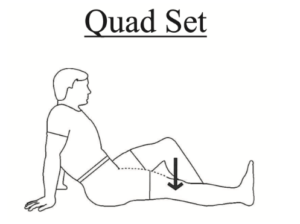
Quadriceps Set (Exercise)

This exercise targets the front of the thigh, above the knee, which is better known as the quadriceps. Strengthening the quadriceps helps to support and stabilize the knee joint, reducing strain and improving joint function, which can help alleviate pain from stiff joints.
How to perform:
Sit on the floor with your leg stretched straight in front of you.
Tighten your thigh muscles by pushing the back of your knee down toward the ground.
Hold this position for 5 to 10 seconds, then relax.
Recommendation: repeat 10 to 15 times on each leg.


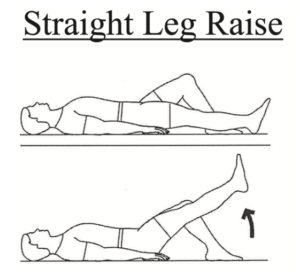
Straight Leg Raise (Exercise)

Straight Leg Raises are an exercise that targets the quadriceps and hip flexors. This motion strengthens the muscles around the knee and improves knee stability, reducing discomfort and promoting better joint mobility.
How to perform:
Lie down on your back with one leg sticking out straight and the other bent with your foot on the ground.
Slowly lift the straight leg upward about 6 to 12 inches, keeping it straight.
Hold this position for 5 to 10 seconds, then lower the leg back down.
Repeat 10 to 15 times for each leg.
Dr. Shaw highly suggests that if sharp pain is experienced at any point during the movement, stop immediately and seek medical attention to avoid further damage to the joint.


Hamstring Stretch

Other than low-impact exercises, stretching is also recommended for those experiencing knee arthritis. Hamstring stretches target the back of the thigh, which is known as the hamstring muscle. By stretching the hamstrings the correct way, a release of tightness will be felt in the back of the leg. This will overall improve flexibility and reduce strain on the knee joint.
How to perform:
Sit on the ground and stick one leg out straight and the other leg bent, foot placed flat on the floor.
Slowly lean forward at the hips, reaching toward the toes, keeping the leg straight.
Hold the stretch for 20 to 30 seconds, then relax.
Repeat 2 to 3 times for each leg.
Dr. Shaw stresses the importance of knowing your limits. To avoid overstretching, it’s recommended that you stop if pain occurs during the action. “If pain, swelling, or difficulty moving your knee is experienced after physical activities, it’s important to address the issue early,” said Dr. Jonathan Shaw, Hip and Knee Surgeon at the Palm Beach Orthopaedic Institute. “These symptoms may be an indicator of a strain, sprain, or even a more serious injury like a tear or fracture, which those with arthritis are at higher risk for. I strongly recommend seeing an orthopedic specialist if symptoms persist, as prompt treatment can prevent further damage and improve recovery outcomes.”


Calf Stretch

Calf stretches focus specifically on the lower leg. These particular stretches can alleviate tension in the lower leg, reducing pressure on the knee. Overall, calf raises will promote the leg’s mobility and make it easier to perform daily tasks.
How to perform:
Stand facing the wall, with your hands placed on the wall at shoulder height.
Step one foot back, keeping both feet flat on the floor.
Gently press your back heel into the ground while bending your front knee slightly.
Hold the stretch for 20 to 30 seconds, then switch legs.
Repeat this 2 to 3 times on each leg
Dr. Shaw encourages those with arthritis to implement exercises and stretches in their daily routines to avoid flare-ups of aches and pains. Staying active will help keep the knee joint moving, improve strength, and reduce pain, allowing you to ease some of the side effects of arthritis.

By following these key tips and listening to your body, taking Dr. Shaw’s advice can help those who experience knee arthritis enjoy their time performing daily activities, while minimizing the risk of severe knee injuries. Ultimately, stretching and exercising can positively impact joint health!
To learn more about Dr. Shaw and the Palm Beach Orthopaedic Institute, visit https://www.pboi.com/jonathan-shaw.

Building Resilience: How to Support Your Child’s Mental Health This School Year

depositphotos 275009648 stock photo smiling teenagers sitting grass talking

Creating connections and communing with contacts is essential for any working professional, regardless of their occupation, and there are thousands of networking opportunities across Palm Beach County

But the South Florida Women of Influence Circle is a little different and offers a refreshing departure from the traditional networking group.

For one, visionary co-founder Marcelle Burke doesn’t even like to refer to it as a networking group. To her, it is a circle of empowered women empowering women where everyone gets their cup filled.

“I have a love/hate relationship with technology,” she said. “And now, it seems we express our feelings through a series of emojis. Just like plants need water and sunlight, women are nurturers by nature and need to be together in person.”

The genesis of the group was when Marcelle looked inward at her own circle and realized just how inspirational the women in her own life were.

“I know a lot of fabulous, fantastic women who wear many different hats and I would get together in groups of threes or fours and think, ‘Why don’t you know this person?'” she said.

The South Florida Women of Influence Circle was a chance to get these women in the same room to connect, collaborate, laugh together, cry together and be their authentic selves. Unlike other networking organizations, there is no membership fee nor a membership roster.

“It’s a Mary Poppins bag,” Marcelle said with a laugh. “You never know who will be there but it’s humbling because it has struck a nerve. Women drive after work from all over Palm Beach County and come out to Wellington to meet other women and open up on a level I never expected – they share personal needs, grievances, health concerns and brainstorm concepts for their own businesses and the non-profits they serve.”

The group’s strength lies in the fact that it is a safe haven for women and is committed to supporting and celebrating its members.

“I really value female relationships,” Marcelle said. “Don’t understate the words stronger together or female power. In the circle, we give ourselves roses and encourage each other. We acknowledge each other’s accomplishments and we give each other time to be still.”

By fostering trust, compassion and solidarity, the South Florida Women of Influence Circle empowers women in Palm Beach County and allows them to emerge from an increasingly isolated world into a vibrant community where women thrive together.